Job Search & Verification · Guide
Overseas Job Scams on Facebook: How to Spot Fake Recruiters and Job Offers
Facebook is where the job is advertised, not where the job is verified. These are the patterns fake recruiters use and the checks that expose them.
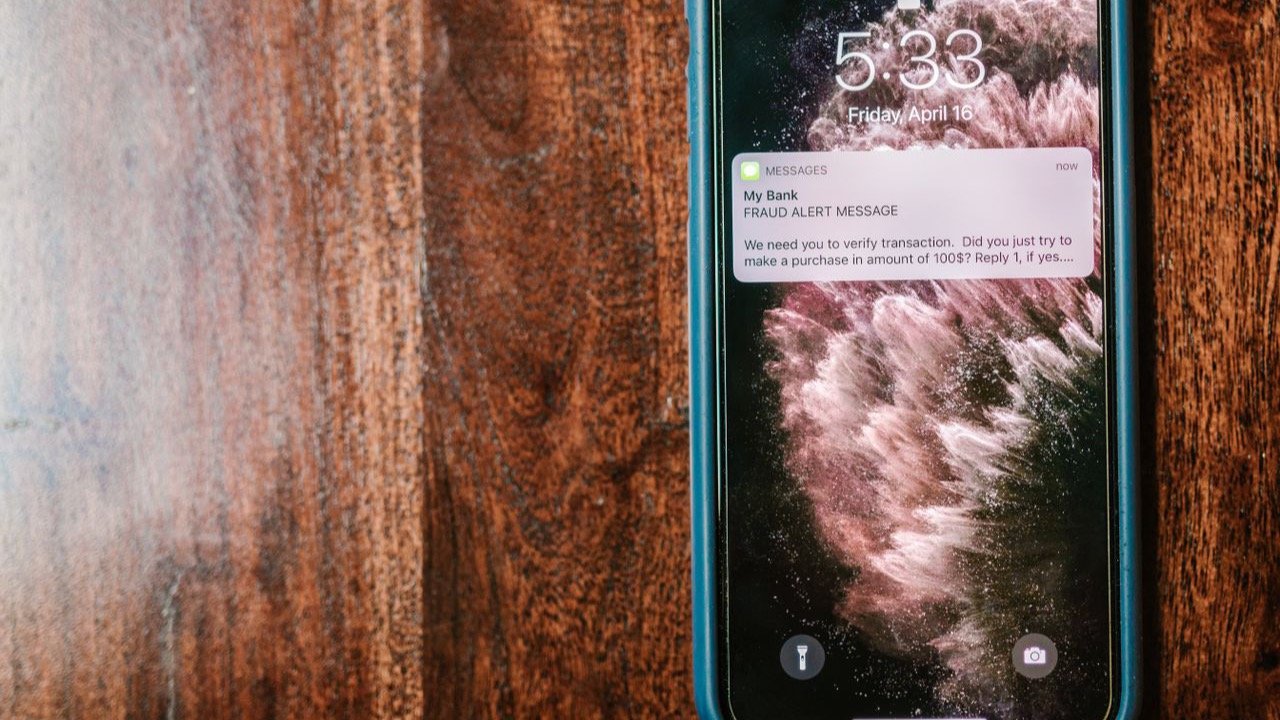
A Facebook post can look professional in minutes: a copied logo, a stock photo of an office, a salary that sounds life-changing and a comment section full of “interested” replies. None of that proves there is a real employer, a real job order or a real license.
The safest rule is simple: Facebook is where you can discover a job, but it is never where you verify one. Verification happens in official records and in a written contract.
Why Facebook scams work
Scams are designed to create urgency and intimacy. A recruiter replies quickly, calls you “ma’am” or “kuya”, sends voice messages and promises to “handle everything”. The goal is to make you feel chosen before you have checked anything. Once you pay, the conversation changes.
The most common patterns
- The copied page. The page uses a real agency’s name, logo and photos but a slightly different spelling or a new account with few posts.
- The stolen job ad. Photos and job descriptions are copied from another agency or a foreign job site.
- The personal payment account. You are asked to send a “processing fee”, “slot reservation” or “medical reservation” to GCash, Maya or a personal bank account.
- The tourist-visa promise. You are told to fly as a tourist and “convert” to a work visa after arrival.
- The fake job order. A screenshot of a job order is sent, but the agency, employer or position does not match the official record.
- The disappearing office. The meeting place changes, or you are asked to meet in a mall, coffee shop or residence instead of a registered office.
- The salary that is too high. The pay is far above the market for the job, with no experience or language requirement.
- The pressure clock. “Today only”, “last slot”, “pay now or lose it”.
| Red flag | What to do |
|---|---|
| Payment to a personal account | Stop. Ask for the agency’s official account and a receipt. Verify the agency first. |
| No exact agency name or license number | Search the DMW licensed recruitment agencies directory yourself. |
| Job order screenshot only | Search the DMW Approved Job Orders page and match the position, employer, jobsite and agency. |
| Tourist visa with a promise of work | Do not accept. A tourist visa is not a work permit. |
| Passport requested before a contract | Do not hand over the original. Ask which official process requires it. |
| Pressure to pay immediately | Slow down. A legitimate employer can wait for verification. |
A three-step verification
- Verify the agency. Search the exact name in the DMW licensed recruitment agencies directory and check the license status, address and branch.
- Verify the job order. Search the DMW Approved Job Orders page and match the position, foreign employer or principal, jobsite and agency.
- Verify the contract. Ask for a written contract and a fee breakdown. Compare the salary, hours, deductions and duties with the ad and the job order.
Call the agency using the number in the official DMW record, not the number in the Facebook post. If the person who contacted you cannot be reached through the official office, that is a warning sign.
What a real offer usually looks like
- The agency has a verifiable license and a physical office that matches the record.
- The job order matches the position, employer and jobsite.
- The recruiter is willing to put the offer, salary and fees in writing.
- Payments go to an official company account and come with receipts.
- The contract explains deductions, hours, rest days and termination.
- The process includes the required DMW, PDOS, OEC and visa steps.
- No one asks you to lie to immigration or fly on a tourist visa to work.
If you already paid or sent documents
- Stop sending money and documents immediately.
- Save everything: the page URL, profile name, messages, voice notes, receipts, account numbers and job ad screenshots.
- Report the page to Facebook and ask friends to report it.
- Contact your bank or e-wallet provider as soon as possible. Ask whether the transfer can be reversed or the account flagged.
- Report the incident to DMW and to the police anti-cybercrime unit. If your identity documents were taken, ask about identity-theft precautions.
- Warn your community. Scam pages often reuse the same photos and target the same groups.
Checklist
- I verified the agency on dmw.gov.ph.
- I verified the job order on the DMW Approved Job Orders page.
- I matched the position, employer, jobsite and agency.
- I have a written contract and fee breakdown.
- I did not pay a personal account or a “reservation fee”.
- I did not hand over my original passport.
- I saved the evidence and know where to report.
Browse by category
Sources and further reading
Image credit
Photo: RDNE Stock project on Pexels. Licensed under the Pexels License.
Last reviewed: November 2026. Scam tactics change; verify every offer with official DMW records.