Childcare Jobs in Türkiye · Guide
First Month as a Nanny in Istanbul: Transport, Phone Plans, and Everyday Expenses
The first month in Istanbul is a logistics month. Set up transport, a phone, a bank account and a realistic daily budget before your first payday.
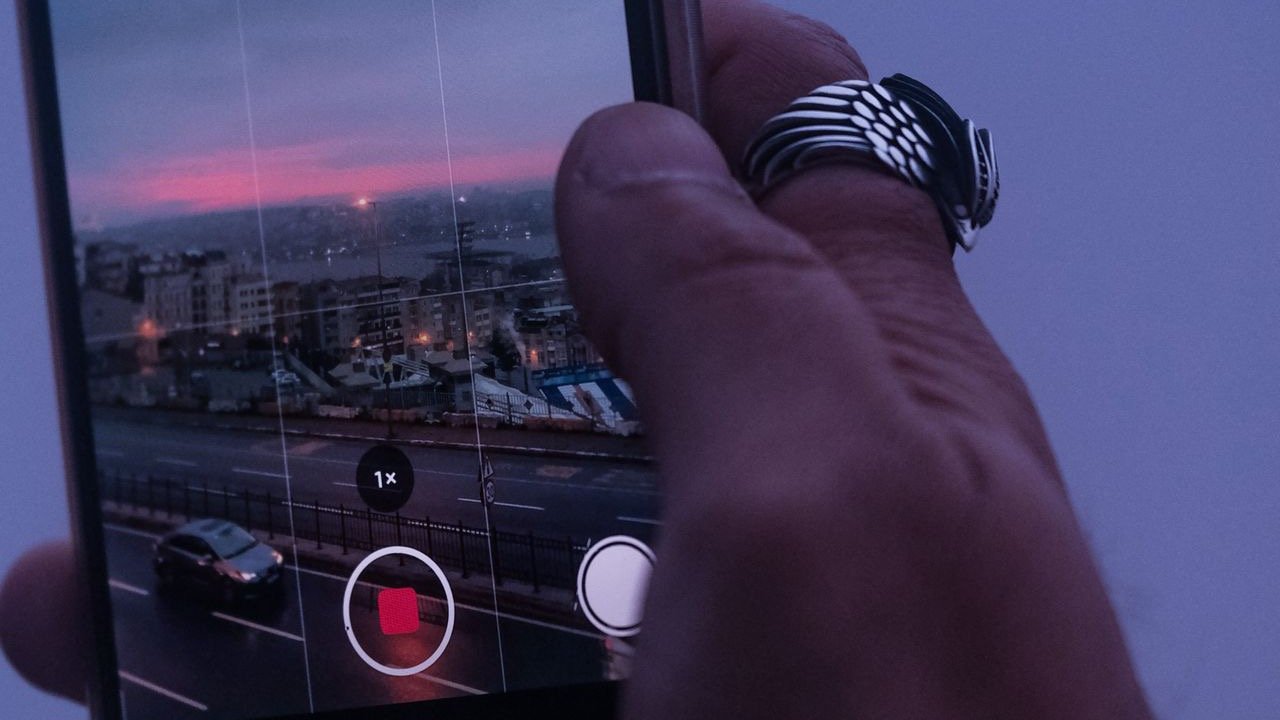
The first month as a nanny in Istanbul is less about childcare than about logistics. You need to get from home to work, stay reachable, receive money, register your address and handle a city that is much larger than it looks on a map. Setting these up early makes the job itself easier.
This guide covers the practical setup: transport, phone plans, everyday expenses and the contacts to save before your first payday.
Your first week: the essentials
- Get a transit card and learn the nearest metro, tram, bus or ferry route to your workplace.
- Buy a local prepaid SIM and make sure your phone works on the network.
- Save your employer’s address, the embassy contact and the emergency numbers.
- Open a local bank account if the employer pays by transfer, or confirm how you will be paid.
- Complete your address registration and any residence or permit steps required for your status.
- Find the nearest grocery, pharmacy and clinic.
- Agree on a weekly cash limit for food, transport and phone.
Getting around Istanbul
Istanbul has an extensive network of metro lines, trams, buses, ferries and the Marmaray rail link. A single journey can involve more than one mode, so a reloadable transit card is usually more practical than buying single tickets. The card is commonly called İstanbulkart and is also useful on ferries and some buses.
- Check the commute at the same time of day you will travel. A short distance on the map can be a long trip in traffic.
- Ask whether the employer pays for transport or provides a shuttle.
- Keep a small cash reserve for taxis or a late-night ride home.
- Save the route and the last-train time for your rest days and late shifts.
- Use a taxi app or a licensed taxi rather than an unmarked car.
- If you finish late, agree in advance on a safe way home.
Phone plans and connectivity
Türkiye has several mobile operators, including Turkcell, Vodafone and Türk Telekom. Prepaid plans are the simplest start because you control the spend. Ask the shop to explain data, calls and any registration requirements for a foreign phone or SIM.
- Start with a prepaid SIM and a small data package. Upgrade only after you know your usage.
- Check whether your phone needs registration to work on local networks for an extended period.
- Use Wi-Fi at home for video calls and updates when possible.
- Save the family’s numbers and the embassy number offline.
- Keep a small emergency credit balance on the phone.
- Ask the employer whether staff Wi-Fi is available and what the house rules are.
Everyday expenses
| Category | When it hits | Money-saving tip |
|---|---|---|
| Transit card top-up | Weekly | Reload in larger amounts if it reduces trips to the machine. |
| Phone data | Monthly | Start prepaid; use Wi-Fi for calls. |
| Groceries | Weekly | Shop at local markets and plan meals around what is in season. |
| Food at work | Daily | Ask whether meals are provided; bring food if not. |
| Toiletries and cleaning supplies | First month | Buy in larger sizes only after you know what you will use. |
| Work clothes or uniform | First month | Ask whether the employer provides or reimburses. |
| Health and medicine | As needed | Keep a small buffer and know the nearest pharmacy. |
| Remittance | After payday | Compare fees and do not send money you need for the next two weeks. |
A first-month budget framework
- Estimate your weekly transport cost and multiply by four.
- Add your phone plan and a small data buffer.
- Add food for days off and any meals not provided at work.
- Add toiletries, laundry and personal items.
- Add a 10–20% emergency buffer for medicine, a taxi or a document fee.
- Keep the rest until you have received your first full salary and know the real costs.
- Set a remittance amount that still leaves you enough for the next month.
Do not spend your first salary on furniture, a new phone or a large remittance before you have lived one full month. Wait until you know the real cost of transport, food and days off.
Safety and community
- Save the Philippine Consulate General in Istanbul (Marmara region) and the Embassy in Ankara, including their hotlines.
- Join a reputable Filipino community group in Istanbul, but verify advice before acting on it.
- Tell a trusted person your address, employer’s name and work schedule.
- Keep your passport and permit copies in a safe place, and a photo on your phone.
- Know the nearest hospital, police station and pharmacy.
- If you feel unsafe at work, contact the embassy or a trusted agency before the situation escalates.
Checklist
- I have a transit card and know my route to work.
- I have a local SIM and a data plan.
- I know how I will be paid and have a bank account if needed.
- I completed my address registration and permit steps.
- I know the nearest grocery, pharmacy and clinic.
- I have a weekly cash limit and an emergency buffer.
- I saved the embassy and emergency numbers.
- I have not sent home money I need for the next two weeks.
Browse by category
Sources and further reading
- Philippine Embassy in Ankara
- Türkiye work permit application system
- Ministry of Labour and Social Security: work permit FAQ
- Philippine Consulate General in Istanbul
Image credit
Photo: Oğuz Kandemir on Pexels. Licensed under the Pexels License.
Last reviewed: November 2026. Prices, transport routes and phone rules change; check local operators and official sources on arrival.