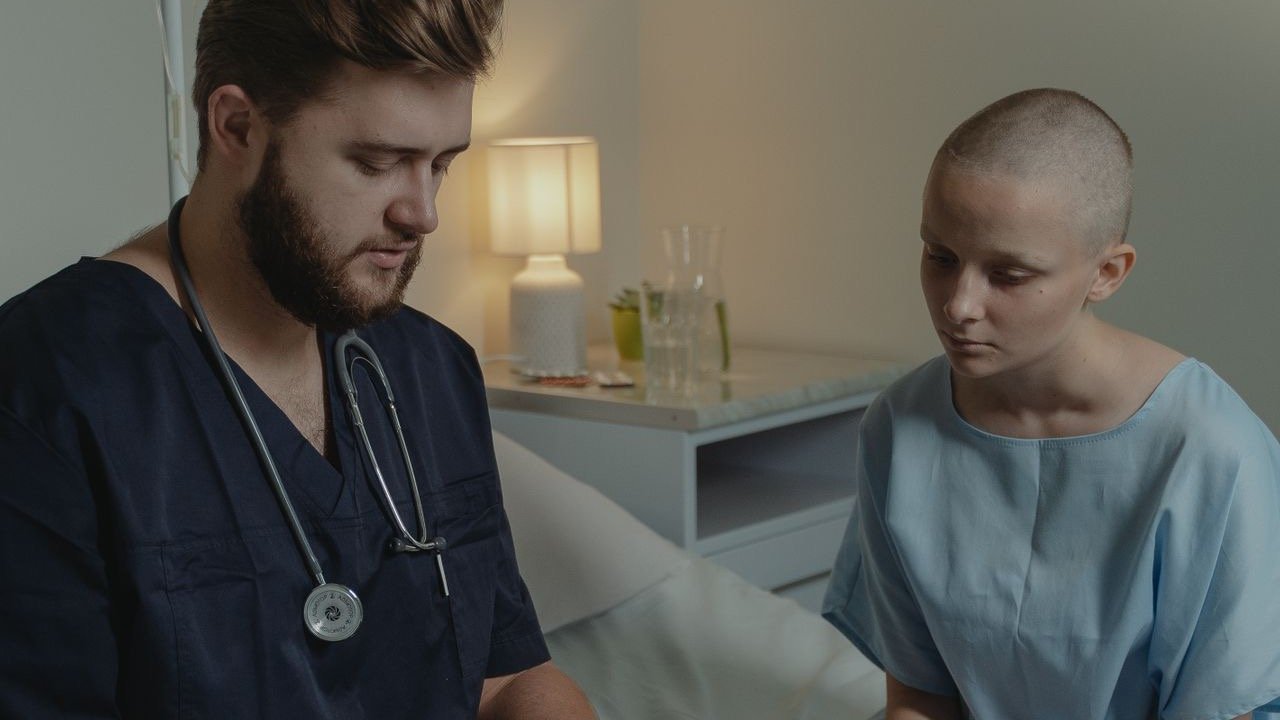
Nursing Jobs Abroad · Guide
How to Work as a Nurse in Germany from the Philippines: Language, Recognition, and Applications
Germany is a real option for Filipino nurses, but the gate is recognition plus German language. Here is the order to check before paying anyone.
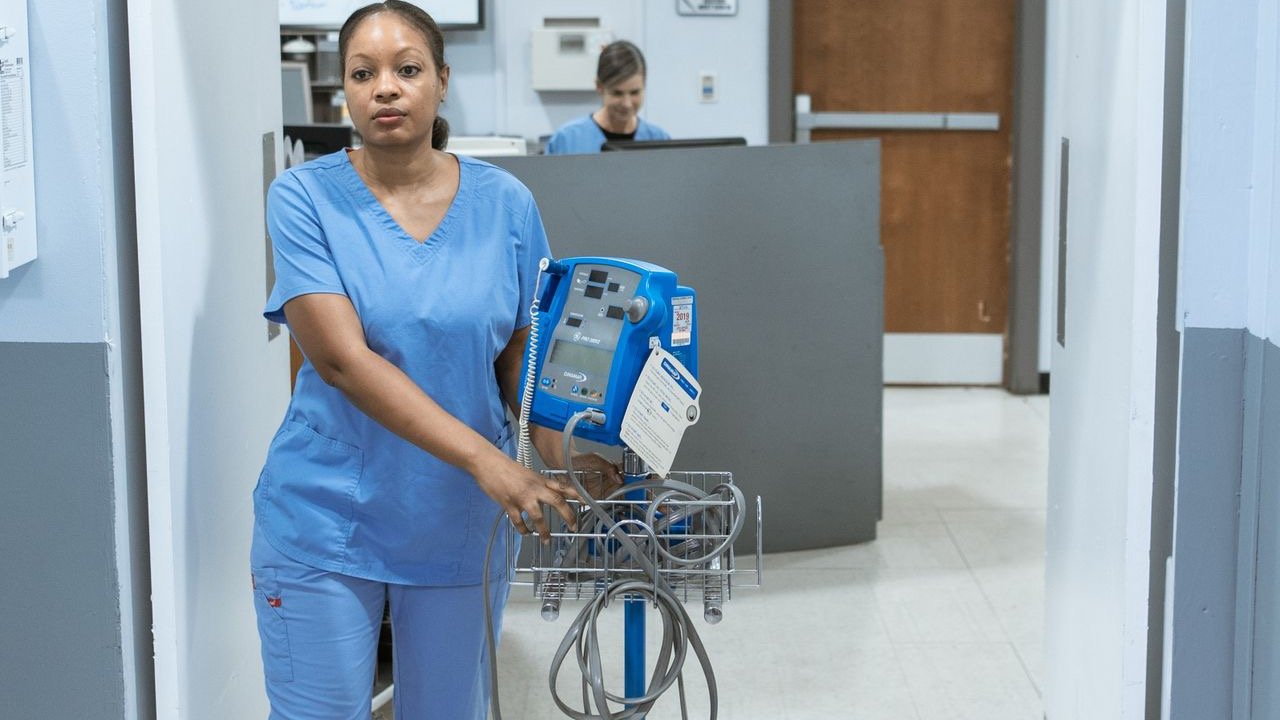
Germany has a structured route for foreign nurses, but it is not a quick route. The two gates are recognition of your nursing qualification and German language. A job offer alone does not clear either gate.
This guide explains the order to check: recognition first, language second, employer third, and money last. It does not replace the official recognition office in the German state where you plan to work.
Recognition is decided by the German state authority, not by a recruiter. Ask which state office will process your case and what evidence it requires. Do not pay a “recognition guarantee”.
1. Understand the recognition route
Foreign nursing qualifications are assessed for equivalence with the German reference profession. The assessment usually looks at your curriculum, clinical hours, subjects and practical training. If there are gaps, the authority may require an adaptation period or a knowledge test.
- Identify the competent recognition authority for the German state.
- Check whether your school and curriculum appear in official recognition databases.
- Prepare diplomas, transcripts, course descriptions and clinical practice records.
- Ask whether an adaptation period or knowledge test is likely.
- Ask how long the process takes and whether you can work in a supervised role while it is pending.
2. German language is part of the job, not an extra
Nursing in Germany requires patient communication, documentation and teamwork in German. Many recognition processes expect a B2 level, and some employers ask for B2 in a healthcare-specific exam. A general language certificate may not be enough.
- Ask the recognition authority which German certificate it accepts.
- Ask the employer whether it requires a healthcare-specific language test.
- Budget for language school, exam fees and retakes.
- Do not rely on “I will learn after arrival” unless the contract and visa explicitly allow it.
3. Check the employer and the contract
A German hospital or care home can be a good employer, but the contract must match the job you are being recruited for. Check the salary grade, shift pattern, overtime, probation, notice and whether the employer pays for recognition, language courses or relocation.
- Employer’s full legal name and the worksite.
- Whether the job is as a registered nurse or a nursing assistant while recognition is pending.
- Salary grade and shift allowances.
- Who pays for recognition, language school, exams and relocation.
- What happens if recognition is refused or delayed.
- Whether the employer will support the visa and residence permit.
4. Protect yourself before you pay
- Verify the agency in the DMW directory and the job order in the DMW Approved Job Orders page.
- Ask for a written fee breakdown and official receipts.
- Do not pay a personal account or a “recognition fixer”.
- Keep copies of every document, translation and application.
- Ask the German embassy or consulate about the correct visa route.
Browse by category
Sources and further reading
Image credit
Photo: RDNE Stock project on Pexels. Licensed under the Pexels License.
Last reviewed: November 2026. Recognition and language requirements vary by state; confirm with the competent German authority.